It's easy to focus on the interior of a new home — it's where you'll spend your time, and it's where the obvious finish issues live. But the exterior of a property is what protects everything inside it for the next 50 years. A proper snagging survey Ireland buyers commission covers every external element accessible from ground level and from the property boundary, as well as the interior items checked during snagging.
Here's what an inspector checks outside.
External Walls — Brick, Block and Render
External walls are checked for:
- Brickwork — consistent mortar joints, no missing pointing, no broken or cracked bricks, even courses
- Render — no cracks, blown sections, hollow areas, or staining; consistent texture and colour; no rust marks bleeding through from wall ties
- Weep holes — cavity drainage points clear and not blocked with mortar
- Damp-proof course (DPC) — visible above ground level, not bridged by render or soil
- Wall ventilation bricks / airbricks — present, clear, correctly oriented
Roof, Gutters and Downpipes
From ground level, inspectors check for:
- Missing, cracked or displaced roof tiles
- Ridge tiles seated correctly with consistent pointing
- Lead flashings around chimneys and abutments looking secure
- Gutters straight, level, fully clipped, and free of obvious debris
- Downpipes secure, with joints sealed and discharging away from foundations
- Soffits and fascias — clean finish, no gaps for bird ingress, ventilation in place
Where roof access isn't safe from ground level, drone surveying or ladder access may be available as an optional extra.
External Doors and Windows
The external faces of doors and windows are inspected for:
- Intact mastic or sealant around every frame
- Drainage slots at the base of frames clear of debris
- Door thresholds with correct DPC detail and no water ingress route
- Cills sloped to shed water away from the building
- Beading and glazing seals intact
- External handles, locks and keys all functioning
Drainage, Manholes and Gullies
This is where many homeowners discover problems years later that should have been caught at handover, and every item below appears on our new build defects checklist. Inspectors check:
- Surface water gullies clear of construction debris
- Foul and rainwater drains correctly separated
- Manhole covers level, sound, and labelled where required
- Downpipes connecting cleanly into drainage
- No standing water in low spots after rain
Driveway, Paths and Patios
Hard landscaping is checked for:
- Level and slope (water should run away from the house, never towards it)
- Cracked, lifted or sunken slabs or paving
- Pointing or jointing between paving
- Tarmac quality — no soft spots, even finish, no shrinkage cracking
- Drop kerbs and entrance levels for vehicle access
Garden Grading and Boundaries
Garden grading is one of the most common sources of post-handover complaints. The inspector checks that:
- The garden slopes away from the building, not towards it
- Topsoil depth is adequate for grass to establish
- There are no visible builders' rubble or hardcore at the surface
- Boundary fences are square, complete and securely posted
- Boundary walls — render, pointing and capping in good condition
- Gates, latches and locks operate correctly
External Lighting and Power
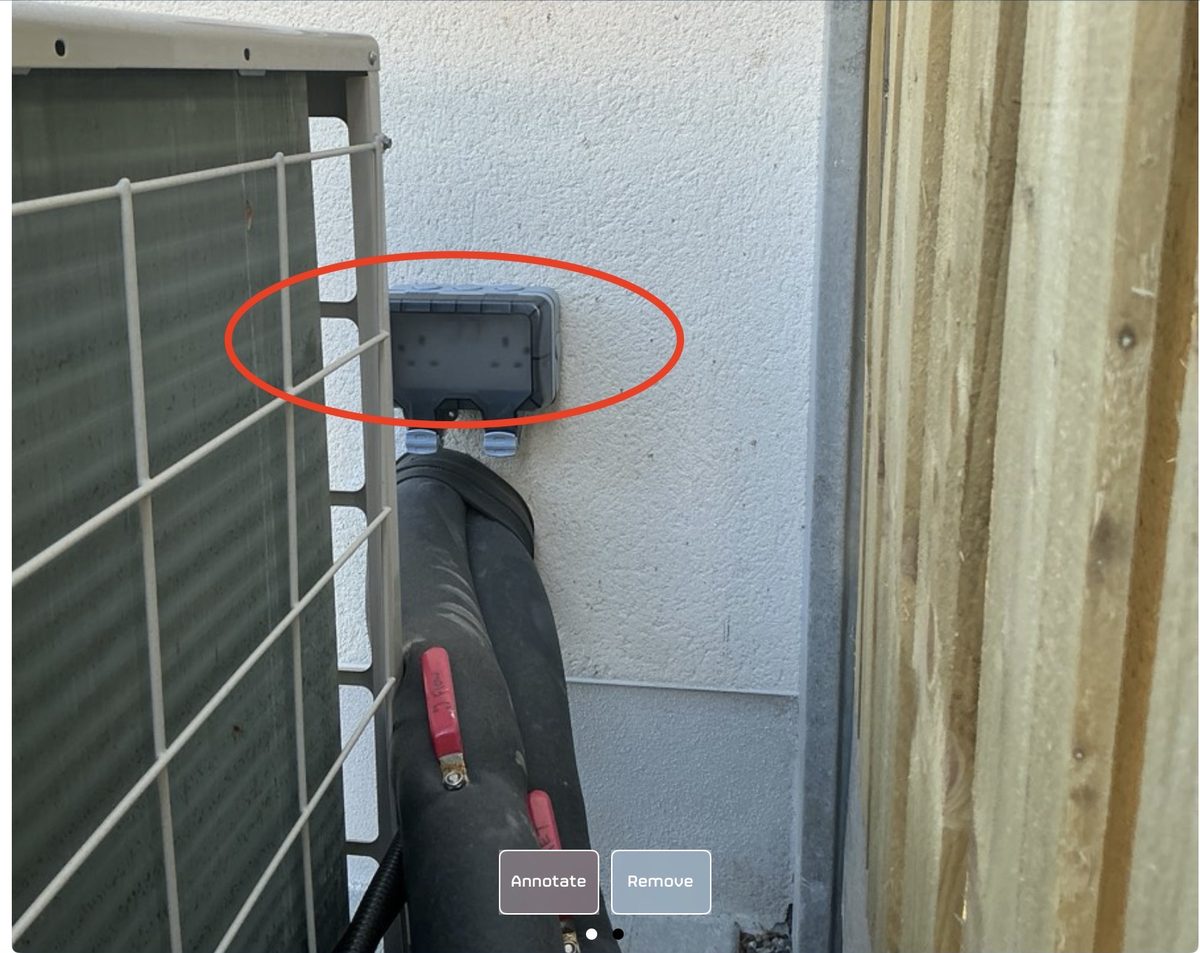
External fittings — porch lights, garden lights, external sockets — are checked for power, operation, and weatherproof fitting. Where the property has an outdoor tap, it's tested for flow and isolation.
Bin Stores, Sheds and Outbuildings
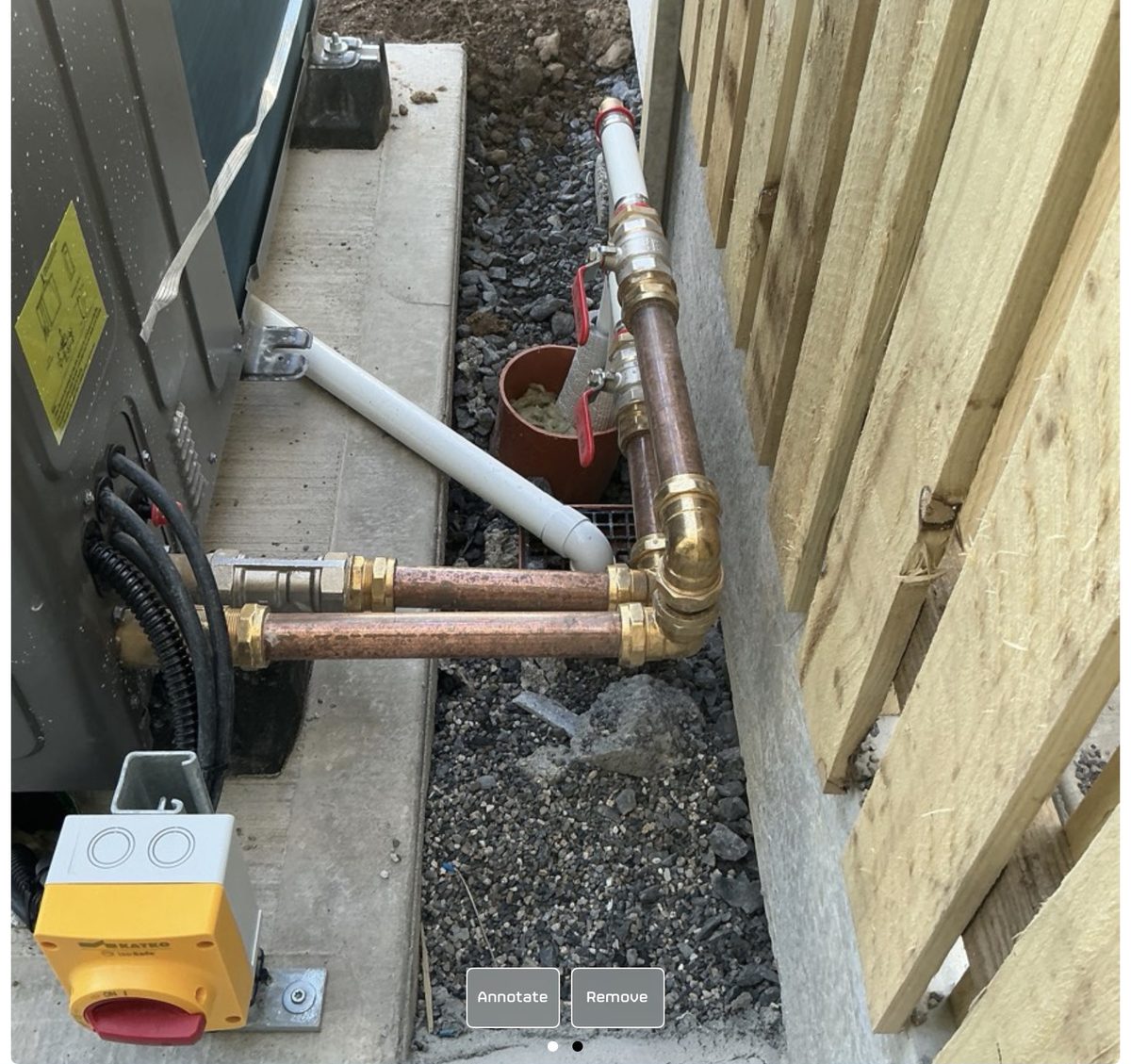
If the property includes a bin store, garden shed, garage or other outbuilding, it's inspected for door operation, ventilation, lighting (where wired), and overall finish — these are areas builders sometimes skip on the final clean.
Why Exterior Snags Are Worth the Extra Time
Most exterior defects don't show their consequences for months or years. A blocked weep hole today is damp in the cavity wall in 2027. A driveway that slopes the wrong way is a flooded garage the first time there's a heavy storm. Catching these issues during the snagging period costs the builder almost nothing to fix; catching them later costs you significantly — a textbook case of how small defects become bigger problems. For the interior side of the inspection, see our overview here.
Don't forget the outside of your home
Get a full inspection — inside and out — before handover.
Get Your Free Quote