A professional snagging inspection is a detailed, room-by-room assessment of a newly built home before or shortly after handover. The purpose is to identify defects, unfinished work, or poor workmanship — anything that should be corrected by the builder before you move in, or under warranty afterwards.
If you're buying a new build in Ireland, this guide walks you through exactly what's checked during a typical SnagSafe inspection, what gets documented, and what you'll receive when it's complete. If you're still working out what is a snag list, that's the place to start. For the national overview, see our guide to snagging inspection Ireland.
Why a Snagging Inspection Matters
Even on well-built new homes, defects are common. Construction is fast-paced, several trades work in parallel, and small issues are easy to miss when a development is completing dozens of units a month. A snagging inspection acts as your independent quality check — one that the builder is obligated to respond to, especially under the 10-year HomeBond / Premier Guarantee structural warranty most Irish new builds carry — our comparison of HomeBond vs Premier Guarantee sets out what each scheme covers.
Room-by-Room: What Gets Checked
Walls, Ceilings & Floors
Inspectors look for cracks, uneven plaster, paint imperfections, scuffs, exposed nails or screws, gaps between skirting and floor, and signs of poor preparation under paintwork. Floors are checked for level, scratches, lifting boards, gaps between planks, and damaged tiles or grout lines.
Doors & Windows
Every door is opened and closed — internal, external and wardrobe — to check alignment, latching, handles, hinges, and the gap consistency around frames. Windows are inspected for scratches on the glass, working locks, smooth opening, intact seals, and proper trickle-vent operation.
Kitchens
Kitchen units are inspected for alignment, door soft-close mechanisms, damaged carcasses, and worktop seams. Splashbacks, silicone sealing around sinks, and water connections are checked. Where appliances are included, they're tested for power, hinges, shelf fittings and basic function.
Bathrooms & Ensuites
Sealant work is one of the most common sources of snags — gaps in silicone around baths, showers and sinks are documented because they can lead to water damage if missed. Tile alignment, grouting, drain falls, taps, toilets, extractor fans and shower screen fittings are all checked.
Heating, Plumbing & Electrical
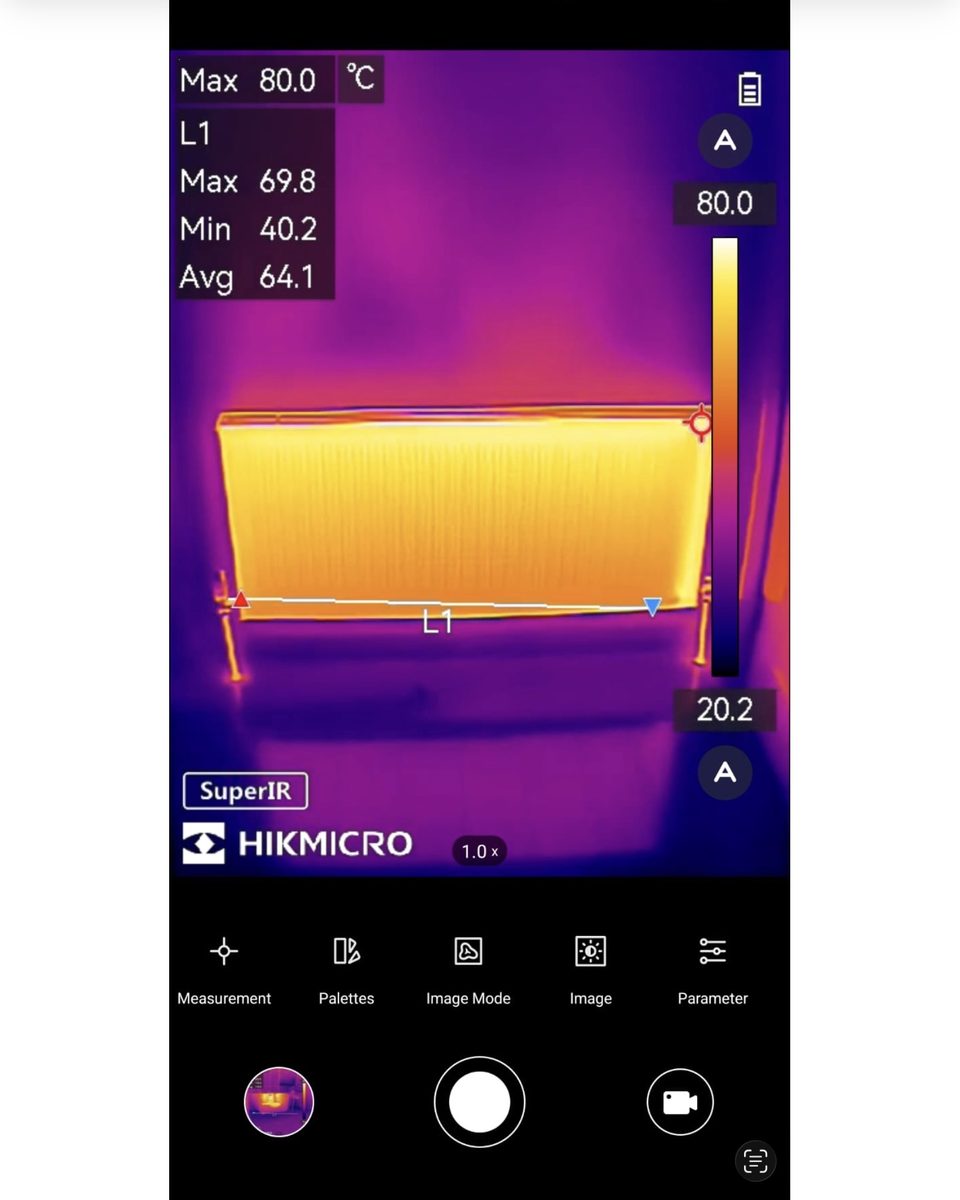
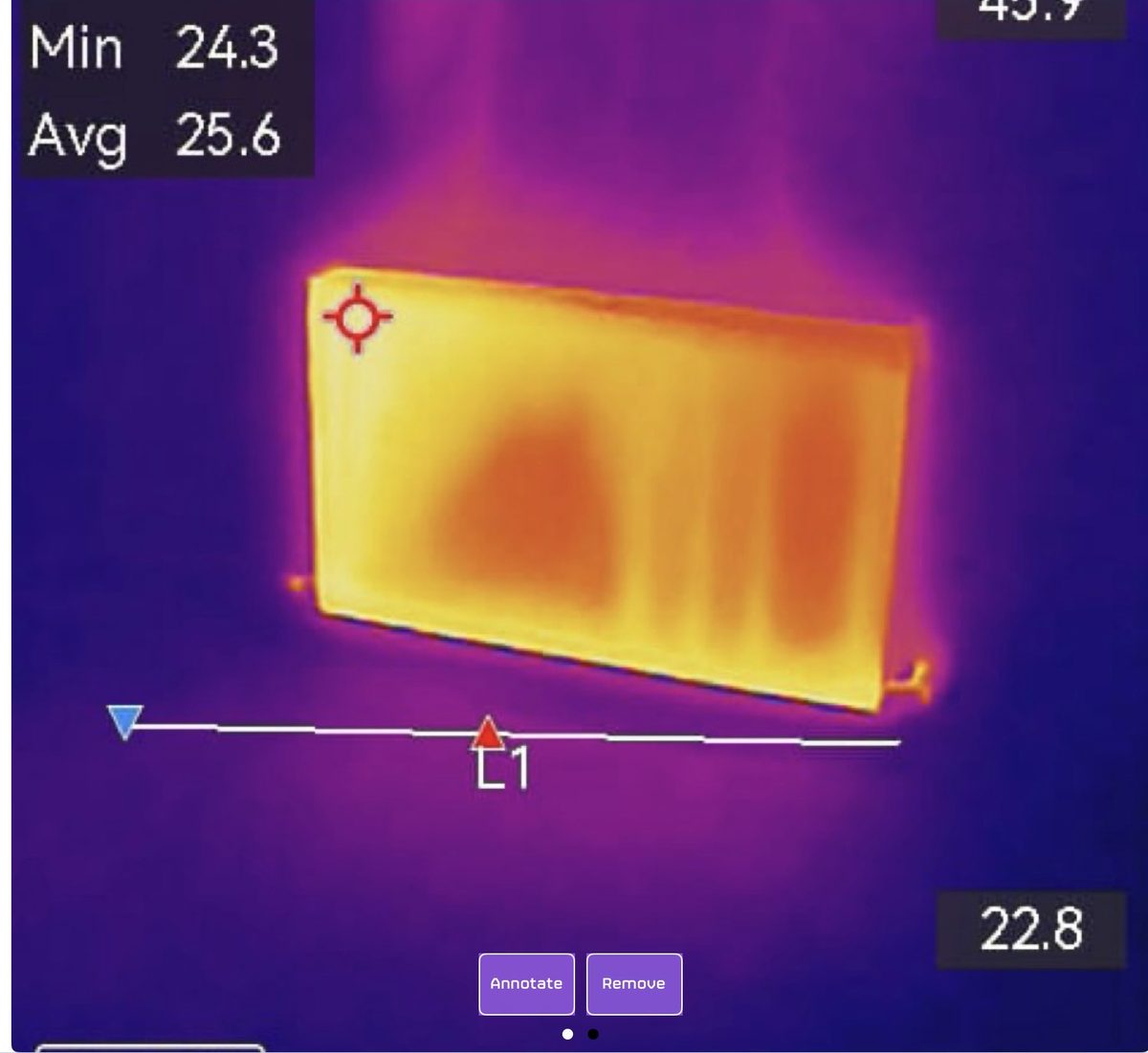
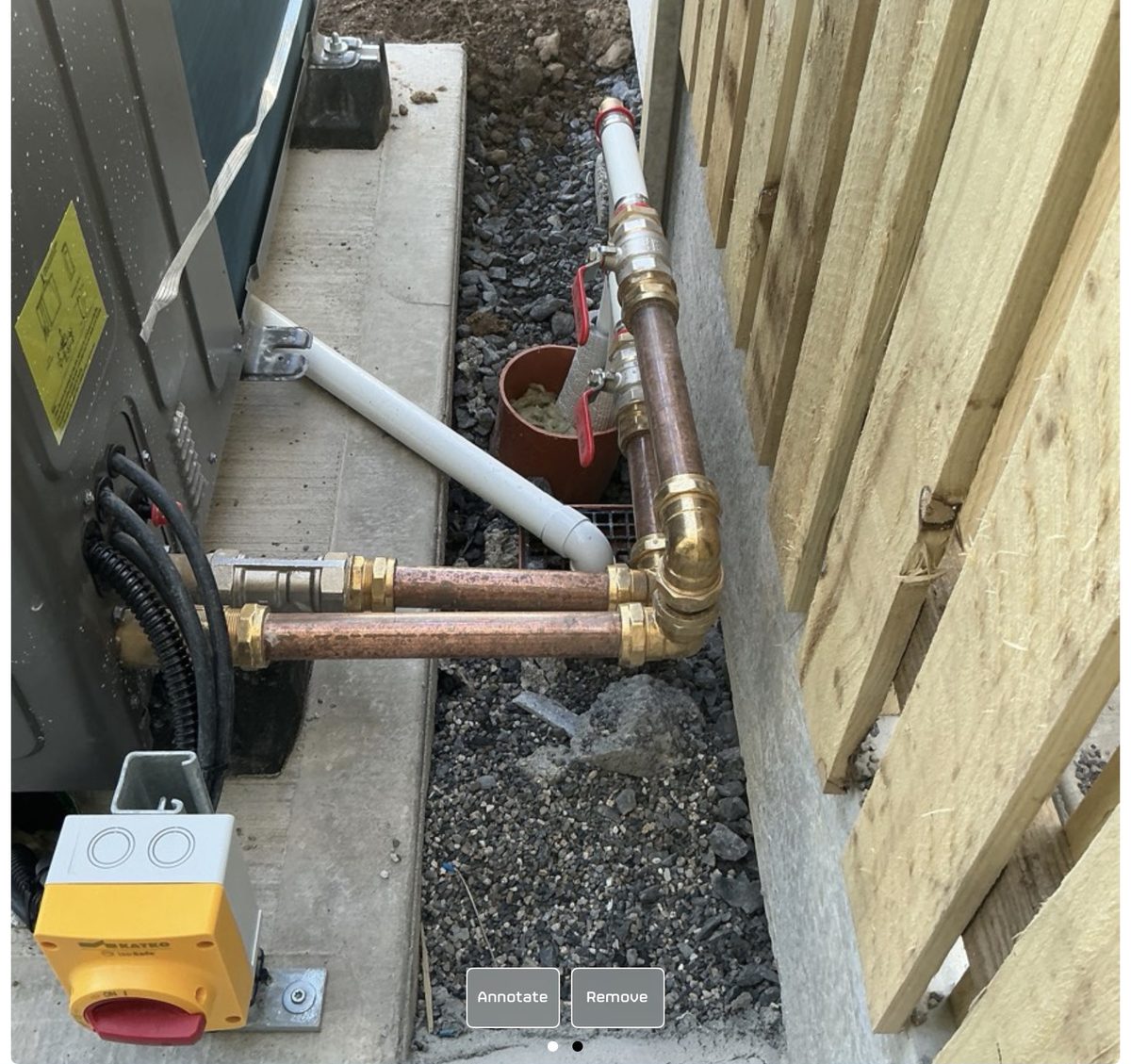
Inspectors visually check radiators (alignment, valves, paint damage), test sockets and switches throughout the home, verify smoke and CO alarms, and confirm consumer-unit labelling. Plumbing visible at sinks, isolation valves and stop-cocks is inspected for leaks or poor connections. Where appropriate, we use thermal imaging to map heat distribution on radiators and pipework.
Loft, Attic & Insulation
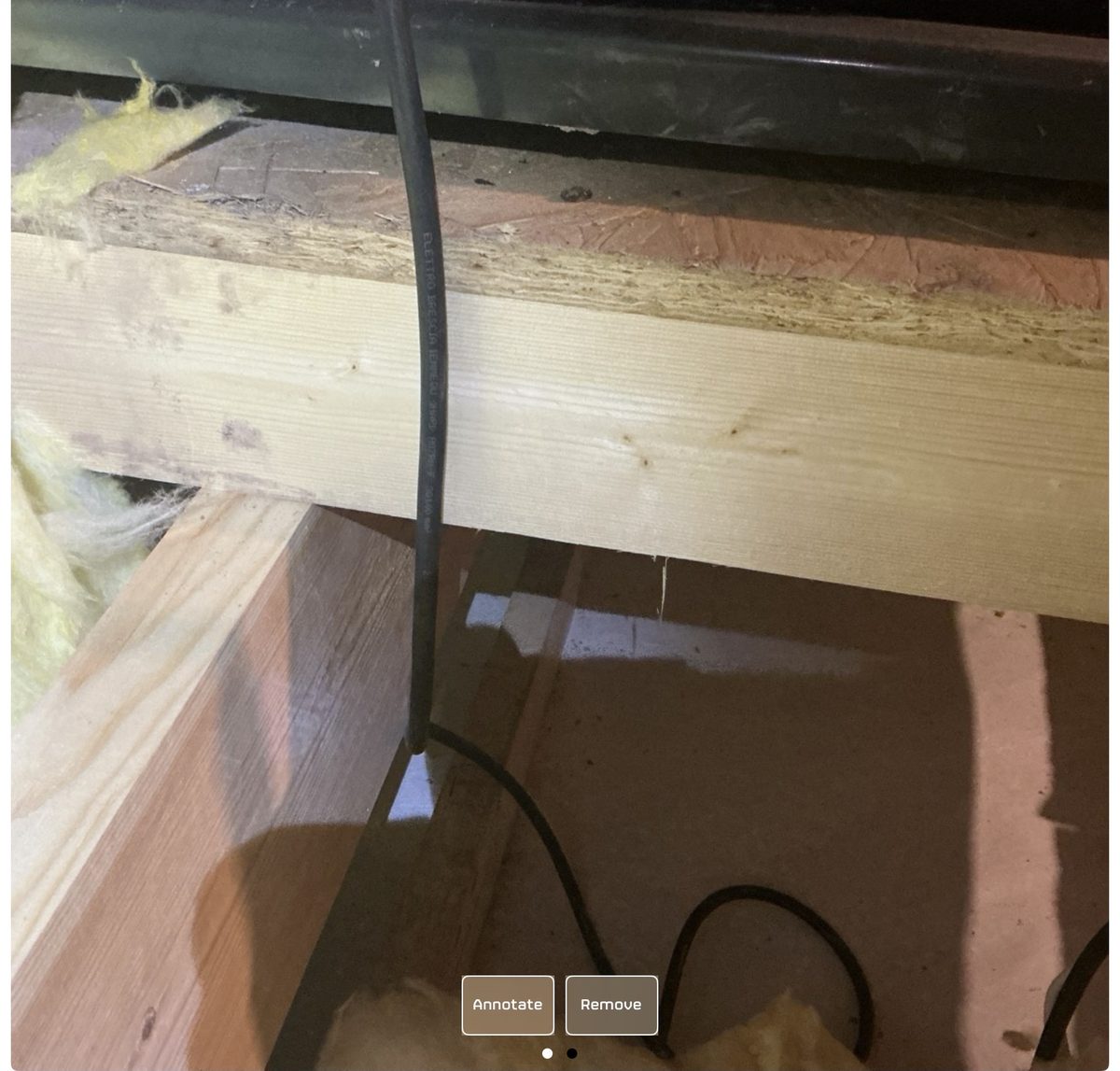
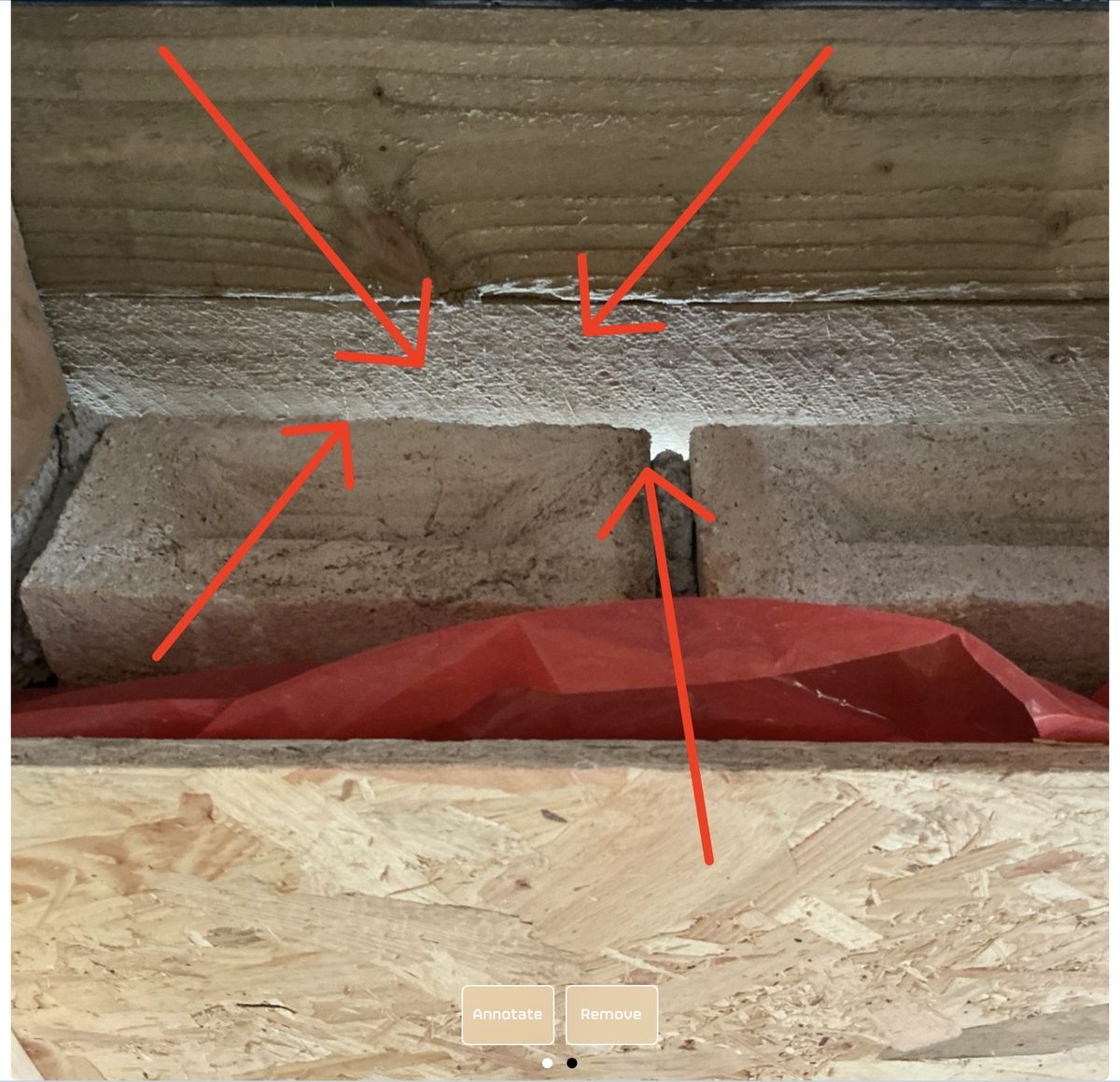
Where accessible, attics are checked for insulation depth and coverage, vapour barriers, ventilation, and any signs of construction debris or damage. This area is often where energy efficiency issues hide.
External Areas
Outside the home, inspectors check render or brickwork finish, gutters and downpipes, drainage covers and gullies, driveway and path level, garden grading, boundary walls and external lights. More on exterior checks here.
What You'll Receive Afterwards
Within 24–48 hours of the inspection, you'll receive a detailed snagging report by email. A typical report includes:
- An itemised defect list, organised by room or area
- A photograph of each issue with annotations or close-ups
- A short description of the problem and the required remedy
- Severity guidance — what's urgent vs. cosmetic
This report is the document you'll send to your developer. Builders are obligated to address legitimate defects identified before final handover, and the report becomes your written record if anything is missed.
How Long Does It Take?
Most inspections take between 2 and 5 hours on site, depending on property size. A two-bed apartment might take 2 hours; a four-bed detached can take 4–5. We're never rushed — a thorough inspection is the entire point. More detail on how long does snagging take is covered in our survey guide, and the full room-by-room breakdown is in interior items checked during snagging.
What an Inspection Doesn't Include
A snagging inspection is a visual and functional survey — it's not a structural engineering report or a building condition survey. We don't lift floorboards, drill into walls, or use destructive testing. For structural concerns or older properties, a full Chartered Surveyor's report is the right tool.
Want a professional snagging inspection for your new home?
Protect your investment before you move in. Get a free quote today.
Get Your Free Quote