The bulk of a snagging inspection happens inside the property. Below is a detailed checklist of the interior items a professional inspector works through during a typical visit to an Irish new build. It's not exhaustive — every property has its own quirks — but it gives you a clear picture of the depth of coverage. For the shorter room-by-room version you can print and carry, use our new build defects checklist.
Walls and Ceilings
Walls are inspected for cracks (hairline, surface, or structural), uneven plaster, poor paint coverage, visible joint lines, exposed nails or screws, scuffs, and damage from trades. Ceilings get the same treatment, plus checks for sagging, light fitting cut-outs, and any signs of water marks or staining.
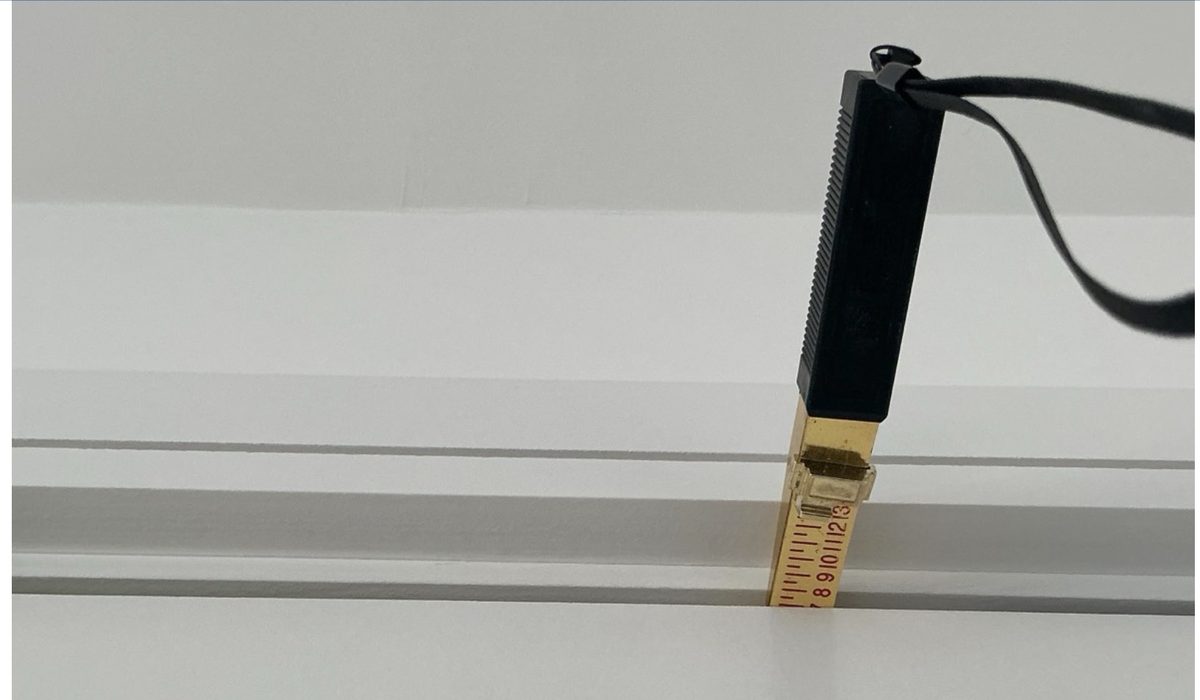
Internal corners are checked for clean lines, and the meeting of skirting board with floor and wall is reviewed for gaps and finish.
Floors
Flooring is checked for:
- Level (especially in open-plan spaces where deflection can show as bouncing)
- Scratches, dents and surface damage
- Lifting boards, gaps between planks, or visible joints
- Damaged or chipped tiles, uneven grout lines
- Skirting alignment and quality of fit at thresholds
Doors and Frames
Every door — internal, external, wardrobe, utility, ensuite — is opened and closed. Inspectors check that handles operate smoothly, latches engage, hinges are flush, and the gap around the frame is consistent. Door faces are inspected for damage, drilling errors, and finish quality. External doors get extra attention on weather seals, threshold drainage and locking mechanisms.
Windows
Windows are checked for:
- Smooth opening, locking and tilting (for tilt-and-turn units)
- Scratches, chips or marks on the glass
- Intact and clean sealant around frames
- Working trickle vents in correct orientation
- Sill condition and finish
- Restrictors functioning on upstairs windows where required
Kitchens
Kitchens are typically where the most snags appear, simply because there are so many components, and several of the common snagging issues Ireland buyers report start here. Inspectors check:
- Cabinet doors — alignment, soft-close, handle fitting, damage
- Drawer runners — smooth operation, full extension
- Worktops — joins, sealant, chips, level
- Splashbacks — alignment, tile lippage, sealant
- Sink, taps and isolation valves — working order, no leaks
- Integrated appliances (where included) — power, function, hinges, racks
- Extractor hood — operation, lighting, ducting where visible
Bathrooms and Ensuites
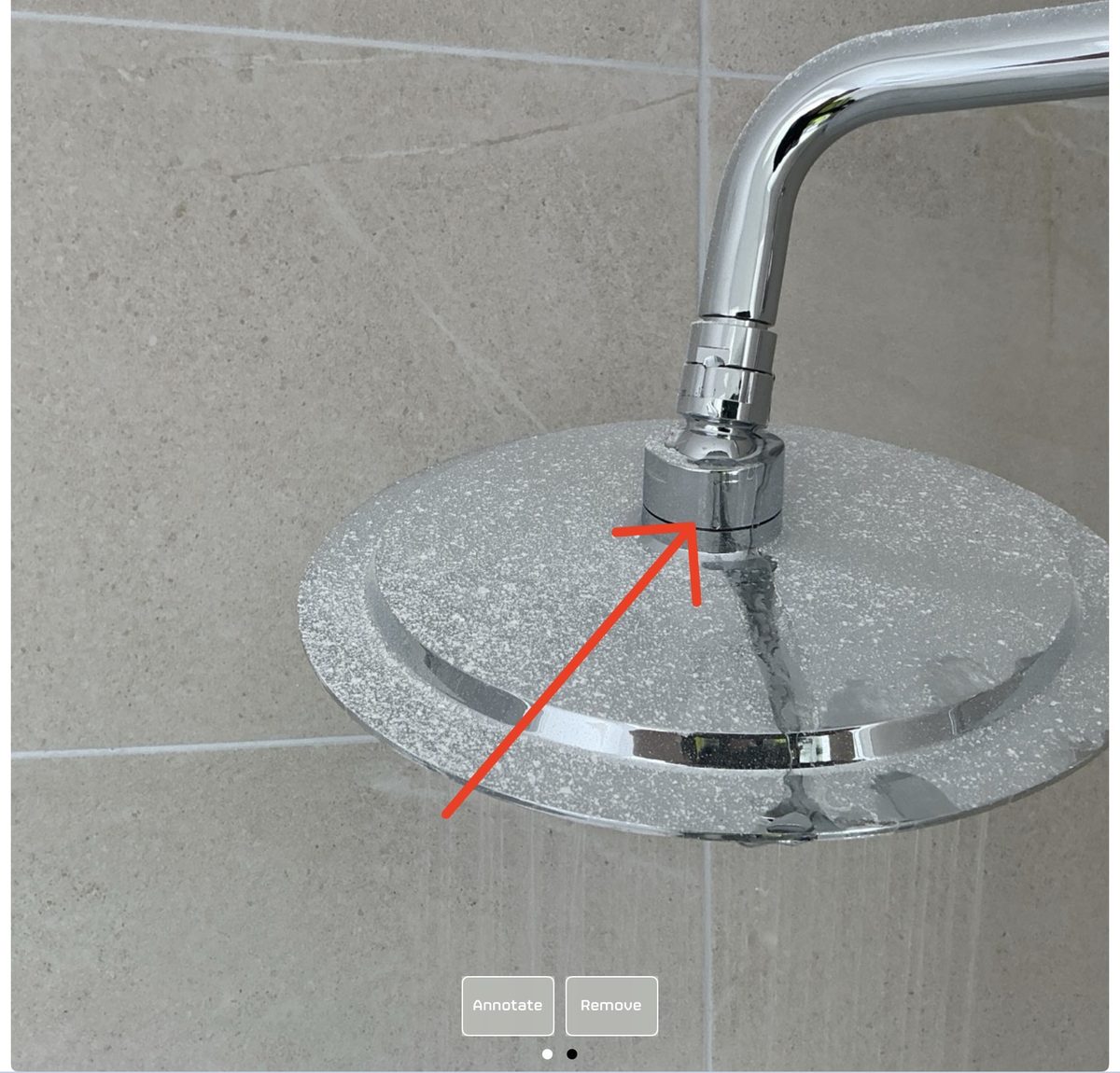
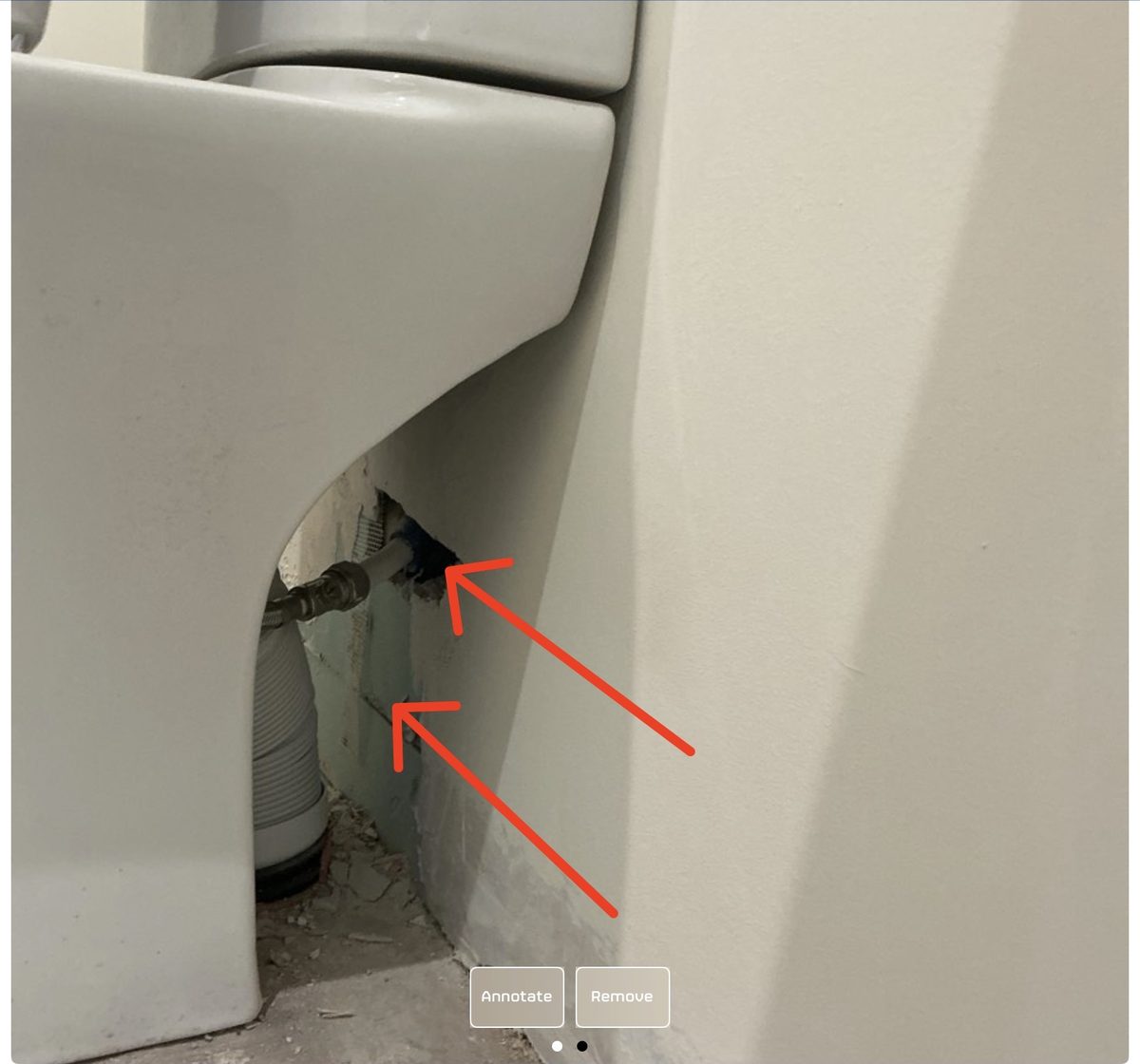
Bathrooms get particular attention because water damage is the leading cause of post-handover claims — failed sealant is the classic example of small defects turning costly. Inspectors check:
- Silicone sealing around bath, shower tray, sink and toilet base
- Tile alignment, lippage and grouting
- Shower screen fit, drainage and seals
- Drain falls (water should leave the wet area, not pool)
- Taps, mixer valves, shower controls — function and leak-check
- Toilet flush, fill and seat fitting
- Extractor fan — operation, ducting, and humidity routing
- Heated towel rails — function and finish
Electrical Fittings
Every socket and switch in the house is tested for power and physical fit. Inspectors also check:
- Light switches throughout — all functioning, correct orientation
- Light fittings — secure, working, correct lamps installed
- Smoke alarms and CO detectors — present in required locations and functioning
- Consumer unit — labelled correctly, RCDs trip-tested where appropriate
- External sockets and outdoor lighting (where applicable)
Heating and Plumbing
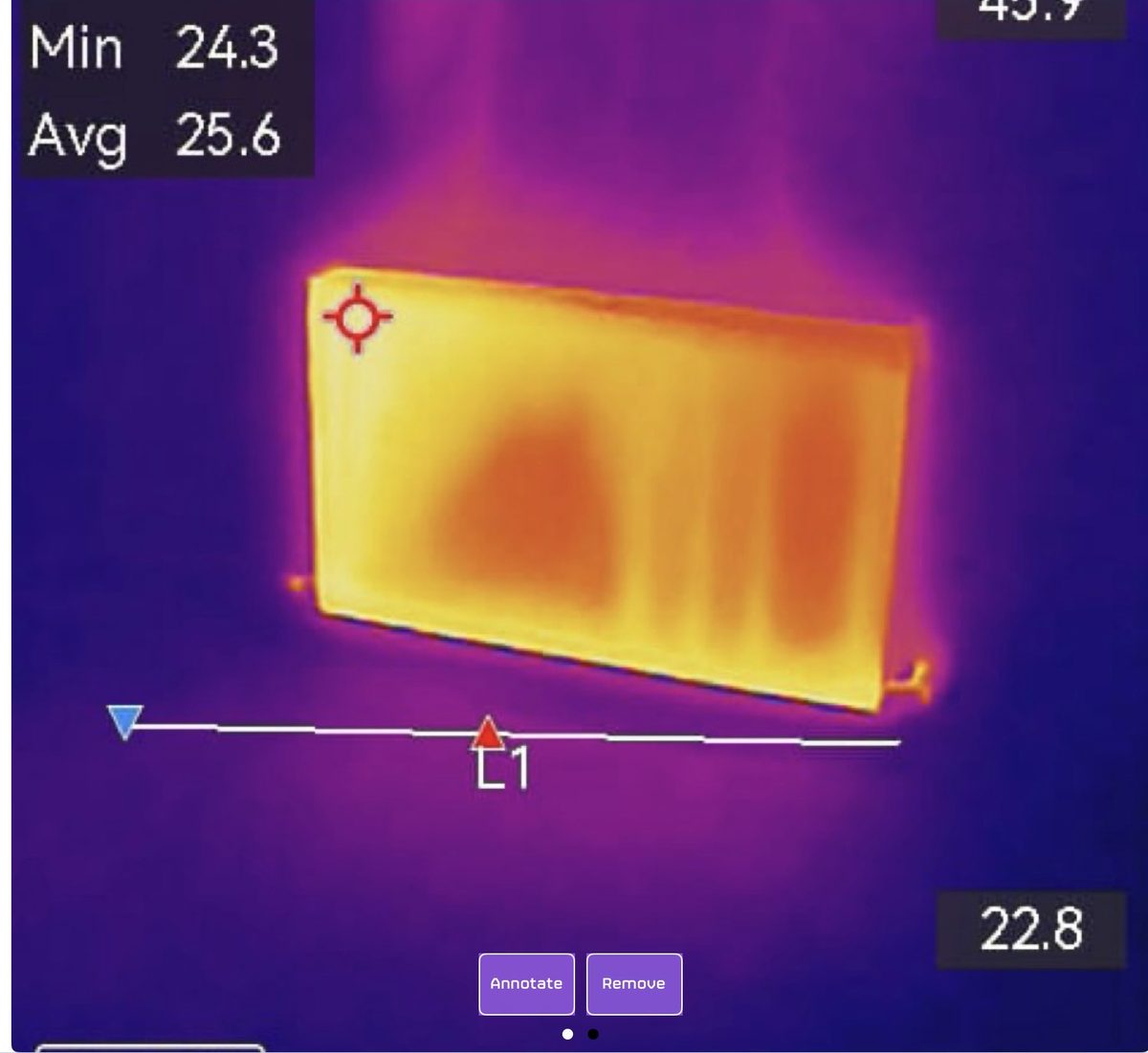
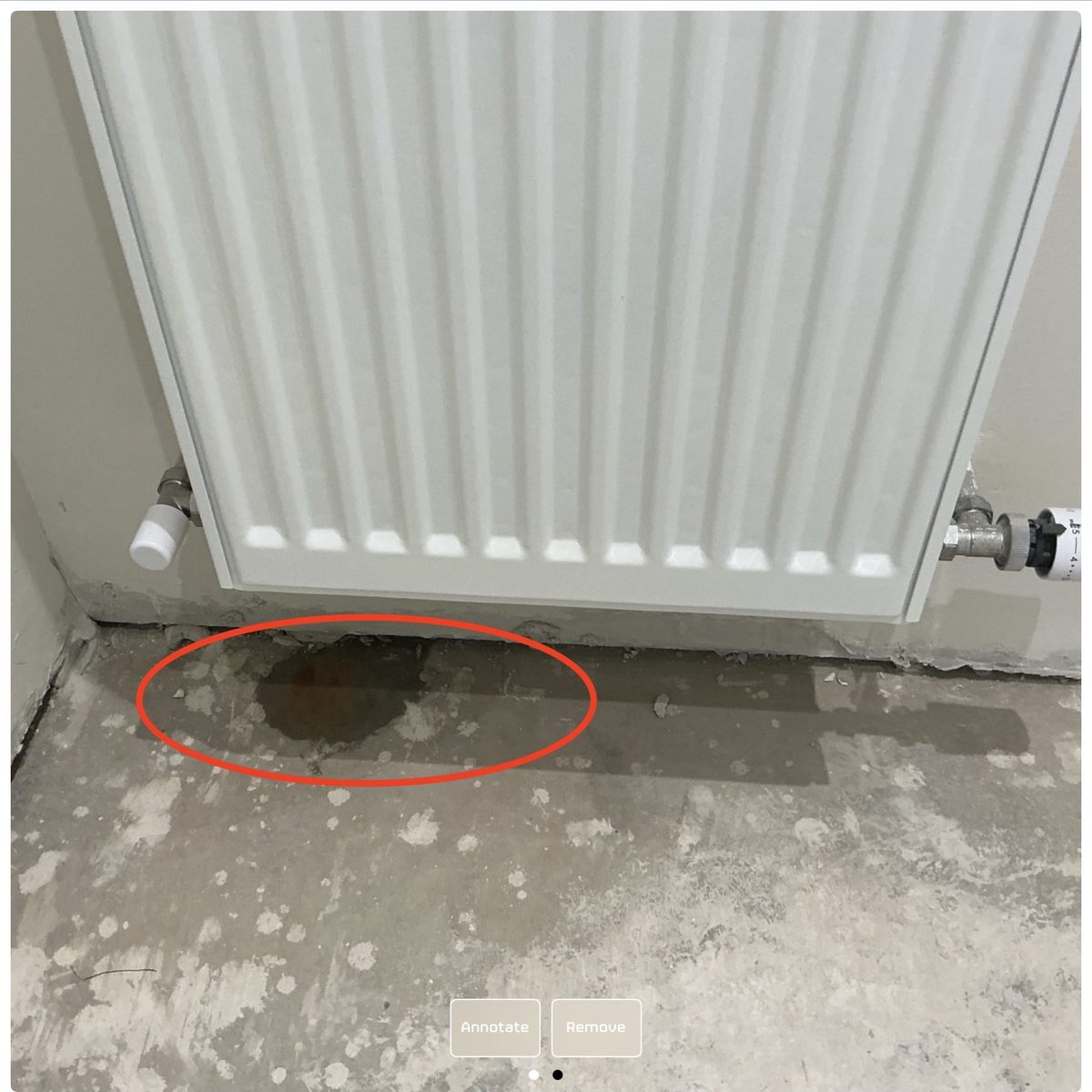
Radiators are checked for paint damage, secure mounting, working valves, and even heat distribution. The boiler or heat pump is visually inspected for installation quality, accessible isolation, and basic operation. Visible plumbing — under sinks, around the water tank, at the stop-cock — is checked for leaks and proper bracketing.
Staircases, Banisters and Storage
Staircases are checked for solid treads, no creaks, secure handrails and balustrade spacing. Banisters and newel posts are inspected for finish and stability. Built-in wardrobes, under-stair cupboards, hot press shelving and any storage units come in for finish and fit checks.
Attic / Loft Where Accessible
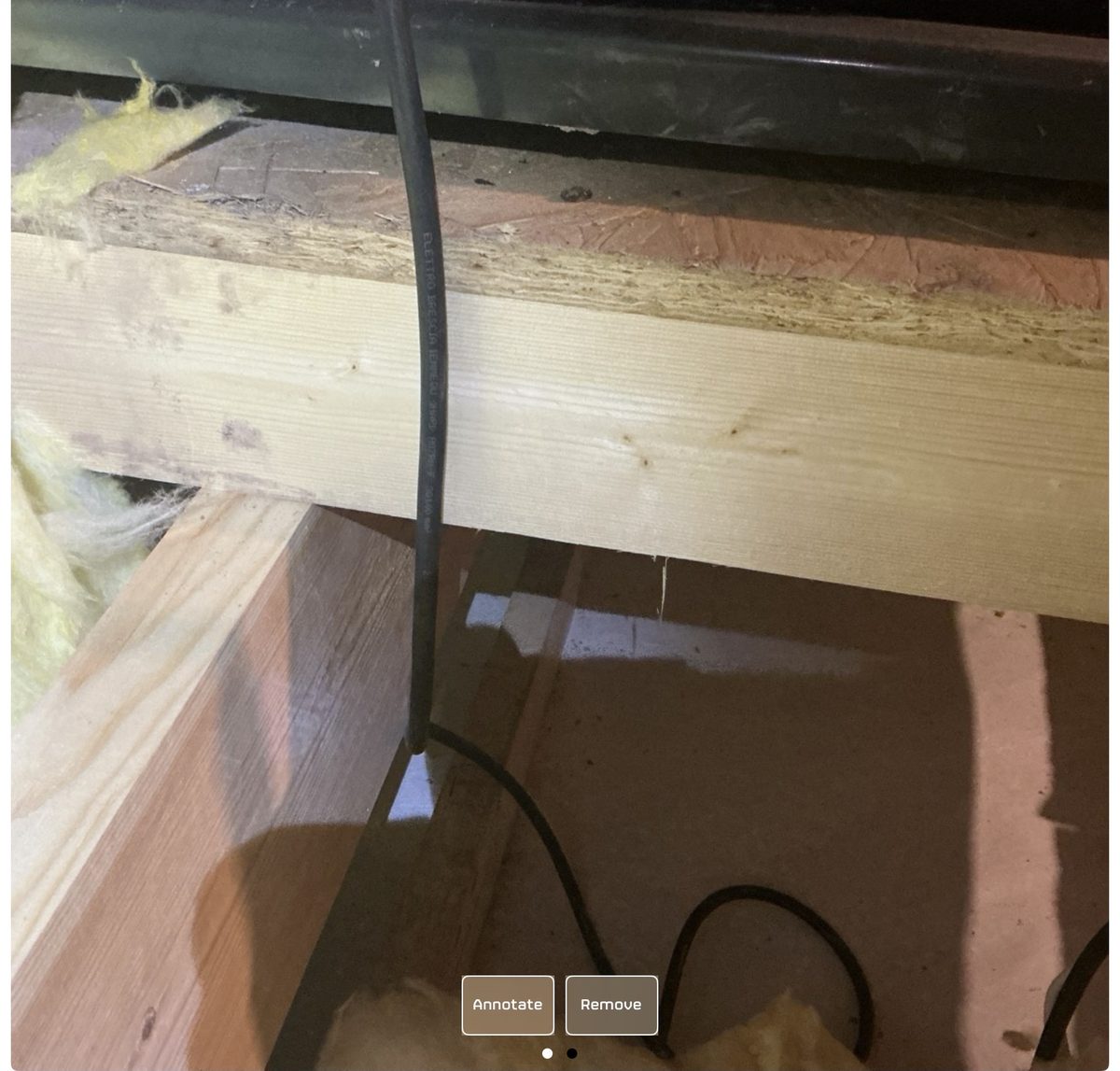
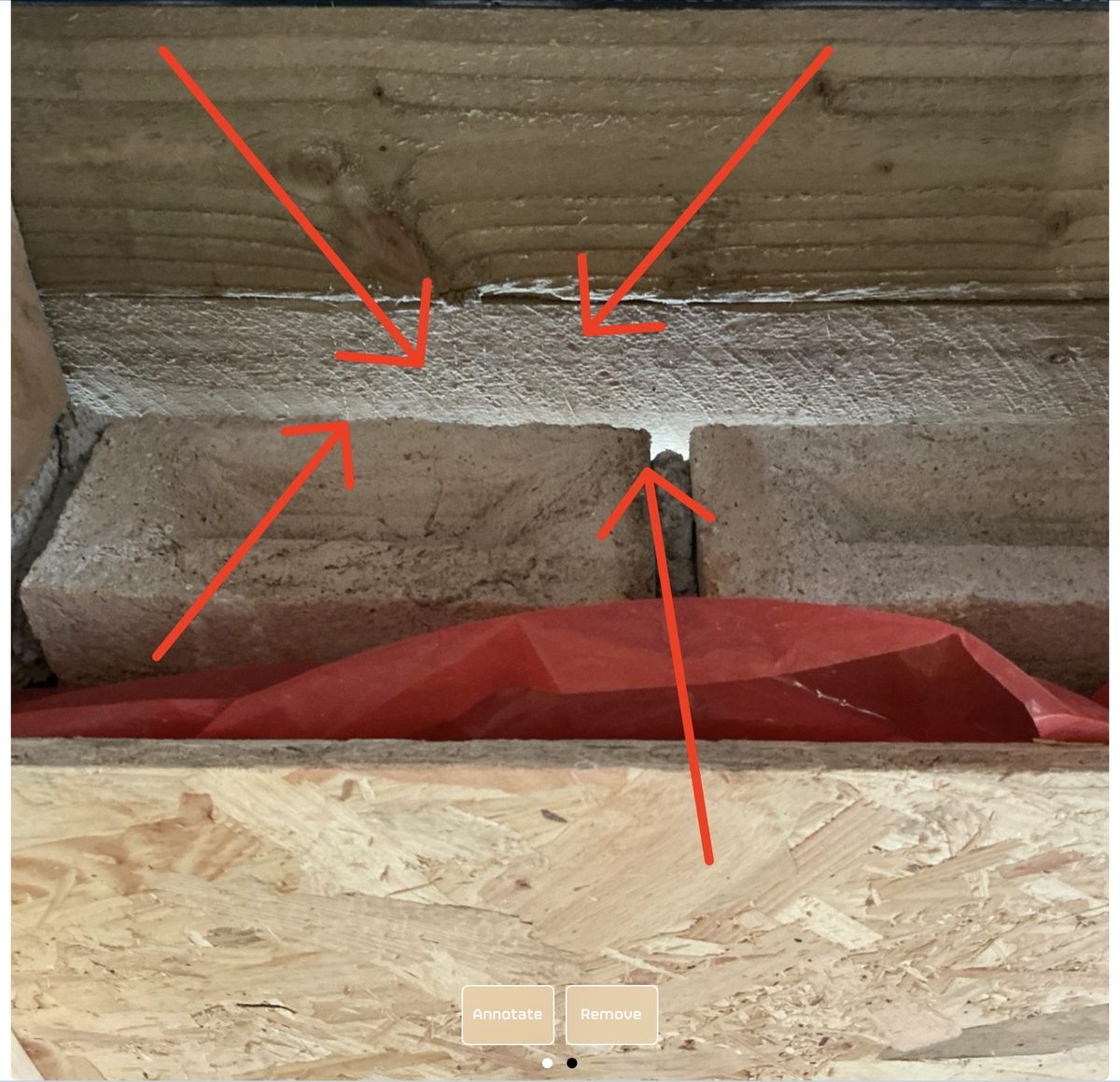
If the loft has an accessible hatch, the inspector goes up to check insulation coverage, vapour barriers, ventilation pathways, water tank insulation (where present), and removal of construction debris. Every finding is written up afterwards in the snagging report. External elements are covered separately here.
Get every interior detail checked
A professional snagging inspection covers it all — room by room.
Get Your Free Quote